Drilling & tapping center or VMC: which machine fits your part?
 siteadmin
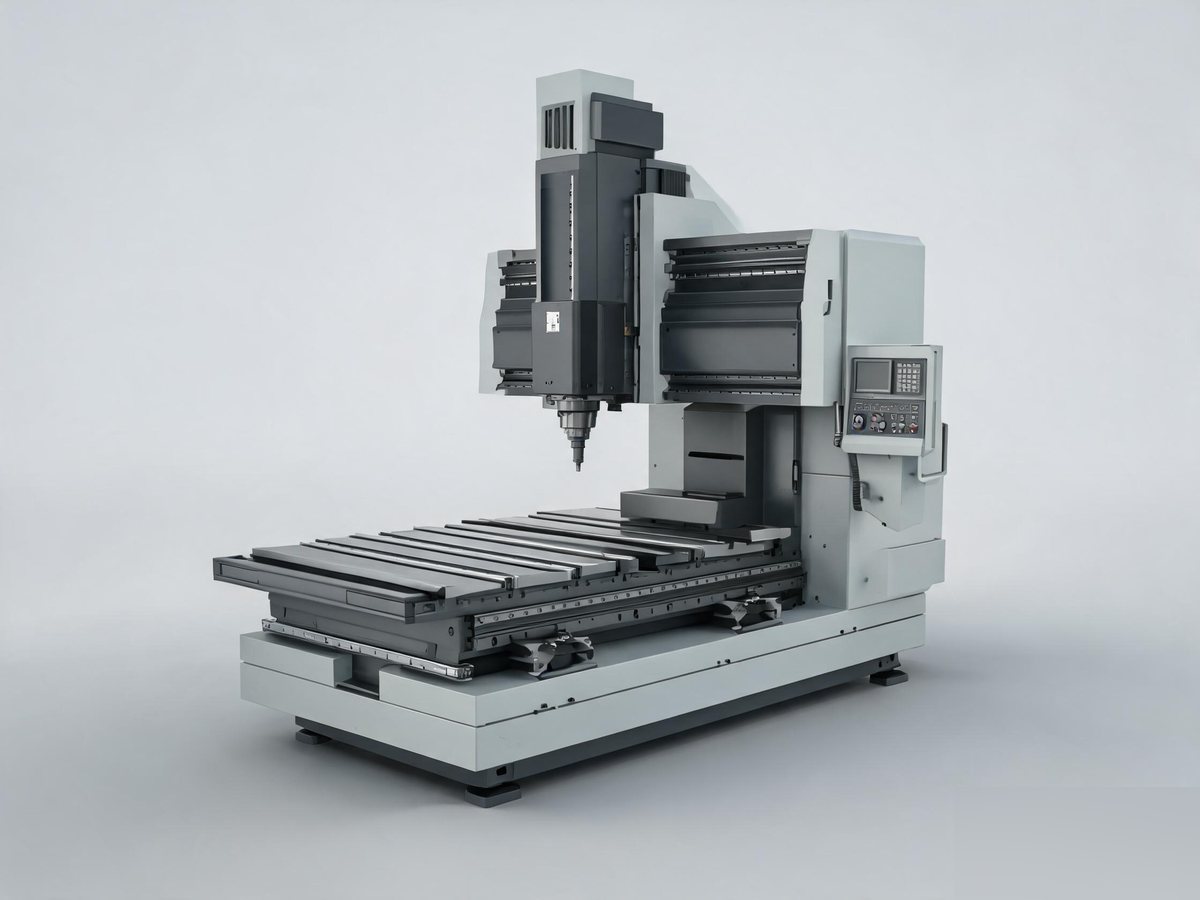
Buyers often compare a drilling & tapping center with a vertical machining center on price alone. The better question is which machine matches the part geometry, the tolerance and the batch size. In most projects the decision comes down to three factors: how much milling is on the drawing, how flat the part is, and how fast you need to change over.
Where a drilling & tapping center wins
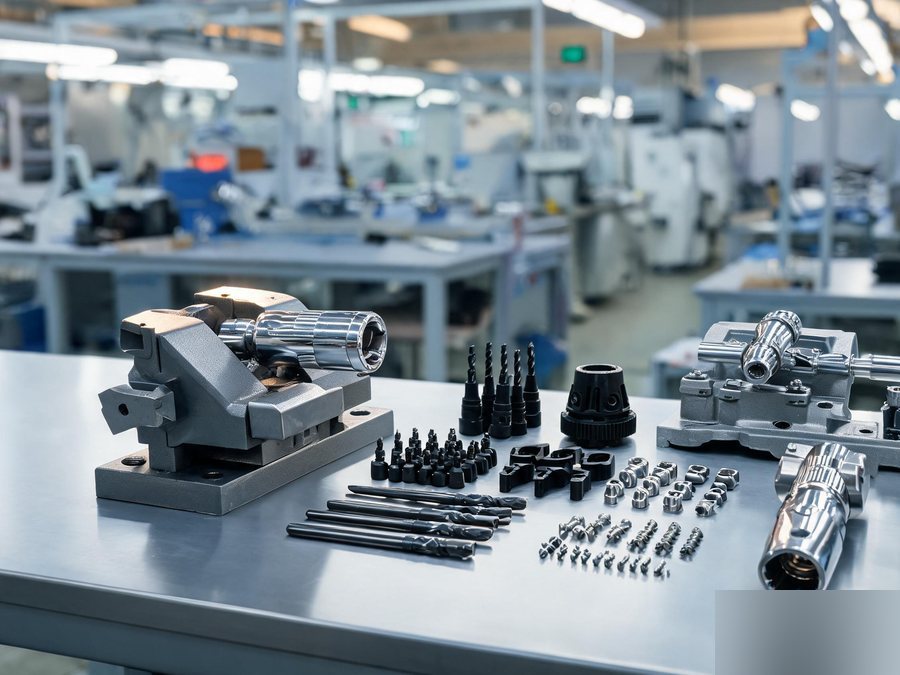
A drilling & tapping center is built around a fast spindle and a very fast tool changer. When a part is dominated by holes, threads and light milling, the machine removes non-cutting time that a general-purpose VMC cannot recover.
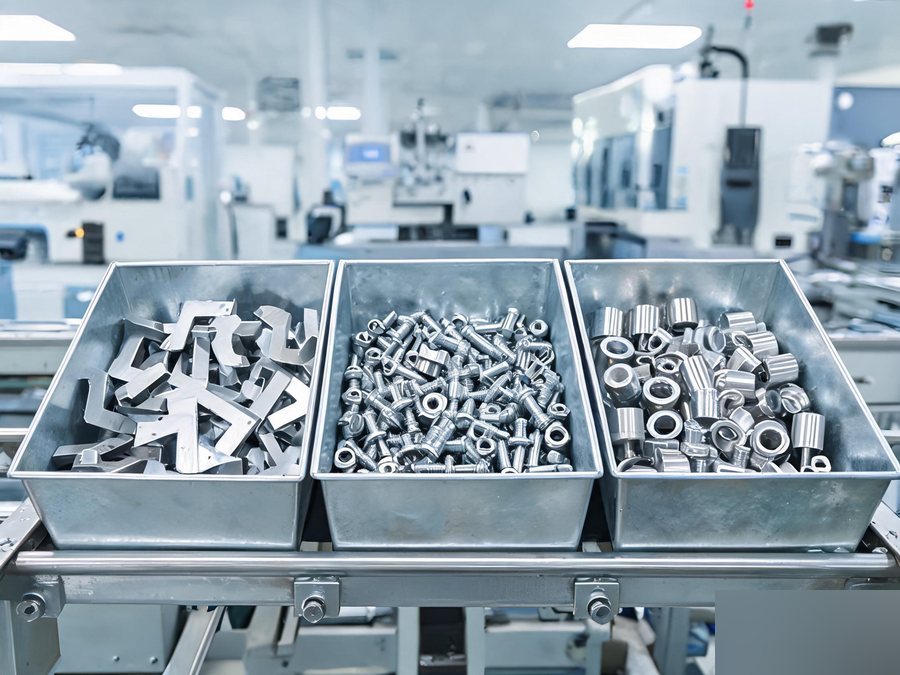
- Hole-and-tap parts under roughly 400 × 300 mm
- Batch sizes from a few hundred to tens of thousands
- Short cycle times where tool change dominates
- Cell layouts that need a small footprint and simple automation
Where a VMC is the safer choice
As soon as the part needs pockets, deep cavities, tight flatness over a large surface, or a fourth axis, the VMC pays for itself. Rigidity and thermal stability matter more than tool change speed.
- Moulds, fixtures and dies with significant milling content
- Parts that need a rigid setup for heavy interrupted cuts
- Mixed batches where one machine must handle several part families
How we specify the machine
Send us the drawing, the material, the tolerance band and the annual volume. We compare the cycle time on both platforms, including tooling and fixture cost, and recommend the machine that gives the lowest cost per good part — not the highest specification.
If you are unsure which way to go, our application engineers will run the numbers with you before you commit to a purchase order.