5-axis machining: when the extra axes pay for themselves
 siteadmin
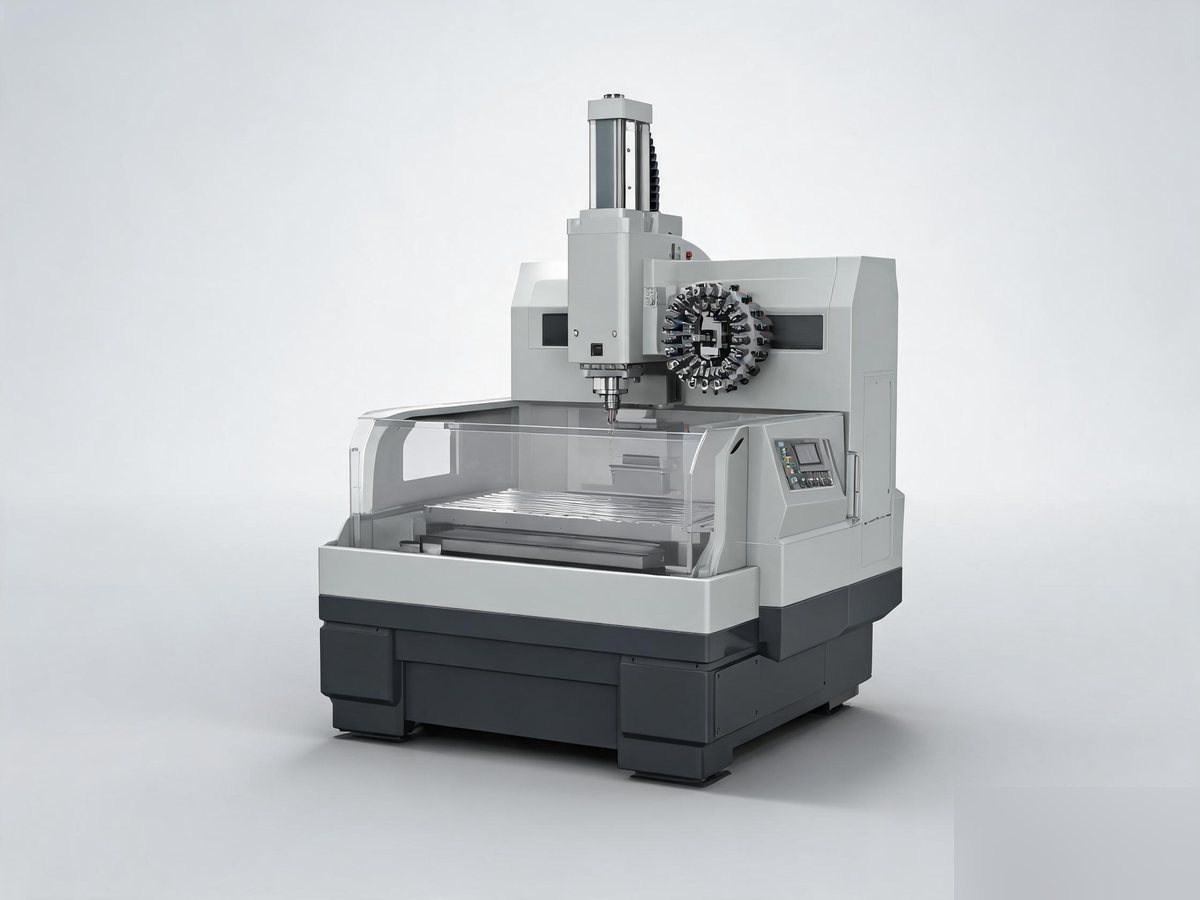
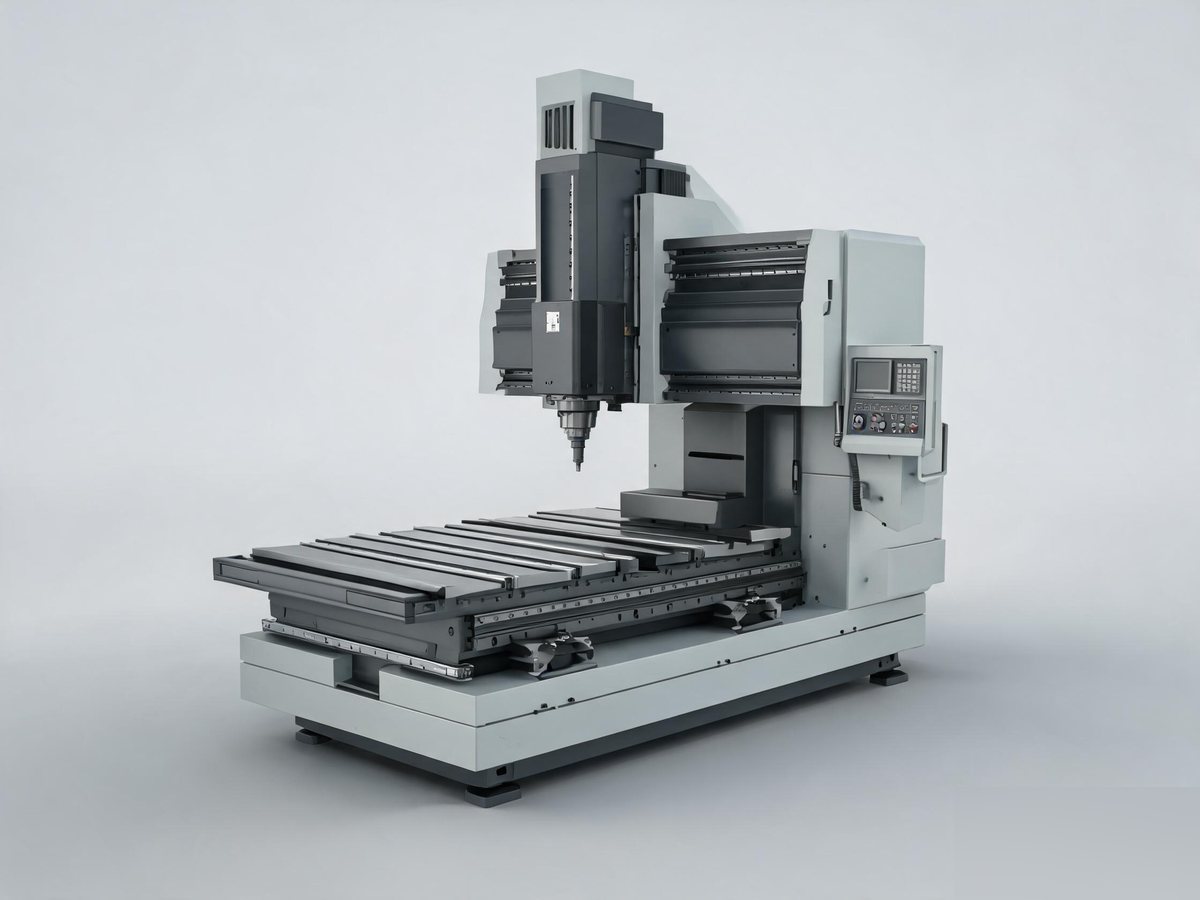
A 5-axis machining centre is not automatically faster. It wins when a part needs features on several faces, tight true-position tolerances between them, or a surface that a ball-nose tool can only reach at an angle. If none of those apply, a 3-axis machine with good fixtures usually gives the lower cost per part.
The setup-count test
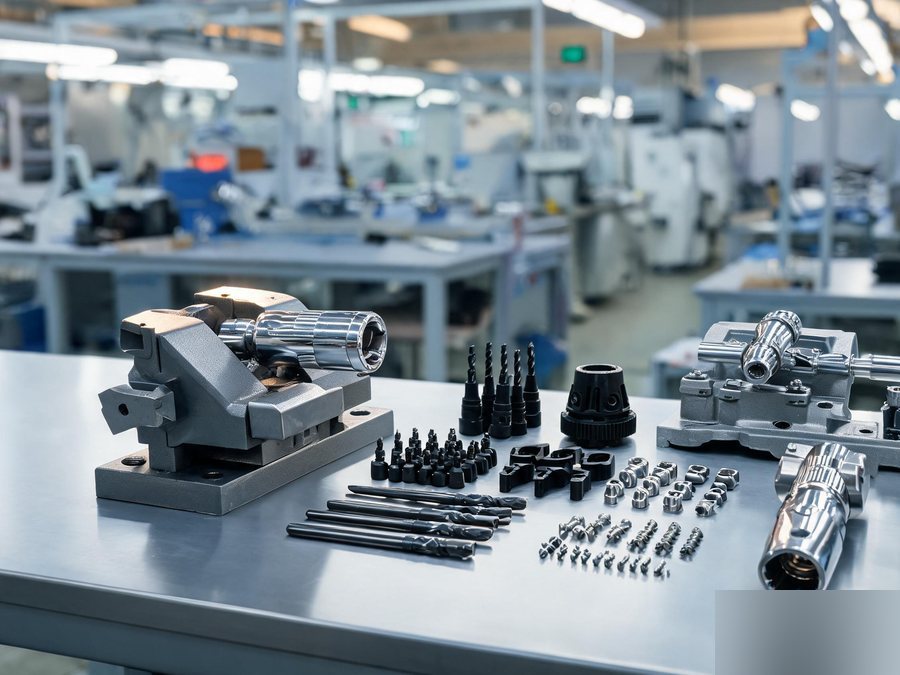
Count the operations a 3-axis route needs. Every re-fixture adds handling time, a new datum and a new chance for error. When a part needs four or more setups, a 5-axis machine that finishes it in one clamping typically pays back within twelve to eighteen months on batch sizes above 200 pieces.
What to check on the machine
Look at the B-axis torque and the spindle taper together. A 40-taper spindle with a weak rotary axis will chatter long before it reaches the nominal cutting data. Ask for a test cut on your own part geometry, not a demo block.
We quote both routes side by side so you can compare cycle time, fixture cost and operator skill required. Send a drawing and annual volume and we will return the comparison.